
SEO vs PPC
SEO -- or Search Engine Optimization -- can help your content rank higher and longer. Organic content found via search engines is more likely to be clicked on and trusted by audiences, more effective for local searches, and can grow your online presence for longer. PPC -- or Pay-Per-Click -- on the other hand, requires you to spend ad money to get your content in front of an audience.
What is SEO?
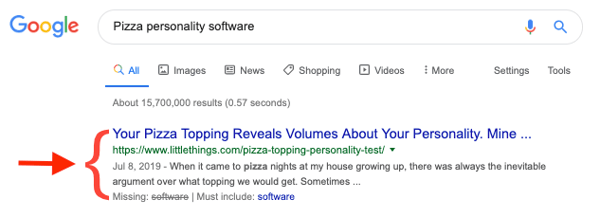
Just as you turn to your favorite search engine to look up a new marketing acronym or where to get good pizza, so do your consumers. By investing in SEO, or search engine optimization, you're increasing the likelihood of your target audience finding you when they search for things related to your product or service.
It's important to build a Google presence if you want your organization to succeed, and by increasing your rank among search results you're improving your online visibility and domain authority. In other words, by building up the content on your site, optimizing for keywords on which to rank, publishing your NAP (name, address, and phone number), and more, Google is more likely to think your site is relevant and push your link higher up on a keyword's search results page.
What is PPC?
PPC, or pay-per-click, is a form of search engine marketing (SEM) where an advertiser pays a publisher (such as Google or Facebook) every time the ad is clicked. This model allows advertisers to only pay when consumers interact with their listing -- meaning you attract people who are interested in your offer.
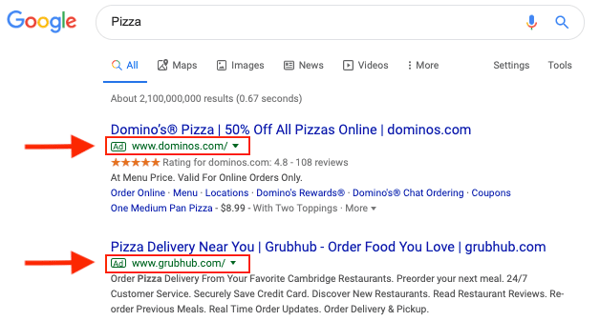
This method is mostly associated with search engines as advertisers bid on search keywords relevant to their target markets. You may have noticed that the top search results are tagged with an "Ad" marker. The higher the keyword search volume, the more advertisers need to pay.
If an organization does not have the domain authority to get their website ranking on search engines organically, PPC can help businesses stay competitive in a crowded market and quickly get in front of their target consumers.
SEO vs PPC Statistics
PPC
1. The top 3 paid advertising spots get 46% of the clicks on the page.According to Power Traffick, the top three links on a search engine results page (SERP) capture almost half of all traffic for that keyword. This data supports the PPC method as it involves buying ad space at the top of the SERP.
2. Businesses make, on average, $3 in revenue for every $1.60 they spend on AdWords. PPC is a relatively inexpensive way to experiment, and there is a solid average ROI for investing in paid search ads.
3. More than 615 million devices use Adblock. As a consumer, Adblock is amazing: it stops all those eerily targeted ads from popping up on your Facebook feed. However, as a marketer, it can be frustrating to invest in PPC if huge numbers of your target consumers will never see your ad. Additionally, this number is growing quickly: ad blocking has grown 15-30% in the last four years.
4. PPC Ads can boost awareness by 80%. In spite of ad blockers, PPC is still effective in increasing your brand's reach and awareness.

5. Google's algorithm updates don't affect PPC. While not a stat per se, a big benefit of PPC is that it's immune to Google's changing SERP ranking algorithm. In 2018, Google reported that they had updated their algorithm 3,234 times! If you're using the SEO method, you have to adjust your content optimization to rank better according to the updated algorithm requirements.
6. 63% of people reported that they would click on a Google ad. A high CTR is the goal driving both PPC and SEO, and if the majority of surveyed consumers report that they would click into a paid search ad, it is a compelling statistic for investing in PPC.
7. 75% say it's easier to find what they're looking for from paid ads.The reason the first page of search results -- especially the few few hits -- get the vast majority of clicks is due to the combination of ease of use and finding what the searcher is looking for. Bidding on target keywords through PPC accomplishes both of these needs: the paid ads are easy to find at the top of the SERP and they answer the question of the searcher.
SEO
1. Nearly 80% of users ignore paid ads in search results. People tend to prefer organic links more than paid ones, and of the links search users click, about 70% are organic.
2. Search is the #1 driver of traffic to content sites, beating social media by more than 300%. Organic search is one of the most effective marketing channels, often being a consumer's first point of contact with an organization.
3. SEO drives 30% of traffic, and 20% of revenue. SEO ROI accumulates over time as content creators establish authority and visibility. Prospects often visit a website more than once before filling out a form or making a purchase, so ranking higher for more keywords increases the likelihood of conversions over time.
4. 36.2% of consumers recognize links that are paid advertisements, but don't click on them. Many search users aren't able to differentiate between paid ads and organic links -- in fact, only half of searchers correctly identify ads. In spite of this, consumers are still preferring the organic links over the PPC ones.
5. 88% of searches for local businesses on a mobile device either call or visit the business within 24 hours. Local SEO has excellent SEO -- the number of local searches are increasing by 900% in two years, and by optimizing content and web pages for nearby audiences, organizations can see remarkable growth.

6. One in ten blog posts are compounding. This means that organic search increases their traffic over time, and as the number of visitors aggregates, so does the number of conversions. Historical content is a critical part of both SEO and customer acquisition strategy.
7. Organic SEO is about 5.66 times better than paid search ads.HubSpot's co-founder, Brian Halligan, ardently believes in an organic-first strategy for its longevity and strong conversion performance. According to HubSpot's inbound marketing philosophy, paid outbound marketing interrupts audiences with outreach they don't want, whereas organic optimization draws in consumers with content they love.
Ultimately, whichever strategy you choose will depend on your business's needs, budget, and mission. Oftentimes, organizations will invest in both to see which strategy will help them grow better.
Originally published Jul 18, 2019 7:00:00 AM, updated July 18 2019



Comments
Post a Comment